


How to pack e-commerce shipments correctly?
A practical guide for retailers who want to reduce complaints and improve the customer experience
In the world of e-commerce, the packaging process is not just a matter of aesthetics. It's the last physical point of contact between the customer and your shop - the moment where quality service meets the real product. And a lot depends on how you package it. A badly packaged parcel means risk of damage, returns and complaints. A well-packed one - builds a professional image, reduces logistical costs and increases the chances of a return customer. Below you will find a practical step-by-step guide - how to pack your parcels so that they are safe, professional and comply with the requirements of courier companies.
Why should you care about the way you pack?
In e-commerce, you don't get a second chance to make a first impression. And it's often the package that makes it. Correct packaging:
- protects the product from damage during transport,
- reduces the risk of complaints,
- reduces the costs associated with reverse logistics,
- influences a positive customer experience,
- strengthens credibility and brand perception.

Step 1: Selecting the right packaging
The basic principle - the packaging must match the type and size of the product. In practice, this means:
- corrugated cardboard box, minimum 3 layers (5 layers for heavier or fragile products),
- packaging size close to the product - no unnecessary empty space,
- a few cm of play on each side for the filling material.

What to avoid:
- too large cartons for small products,
- damaged or used packaging with reduced rigidity,
- soft packaging (e.g. plastic) that does not protect the contents.
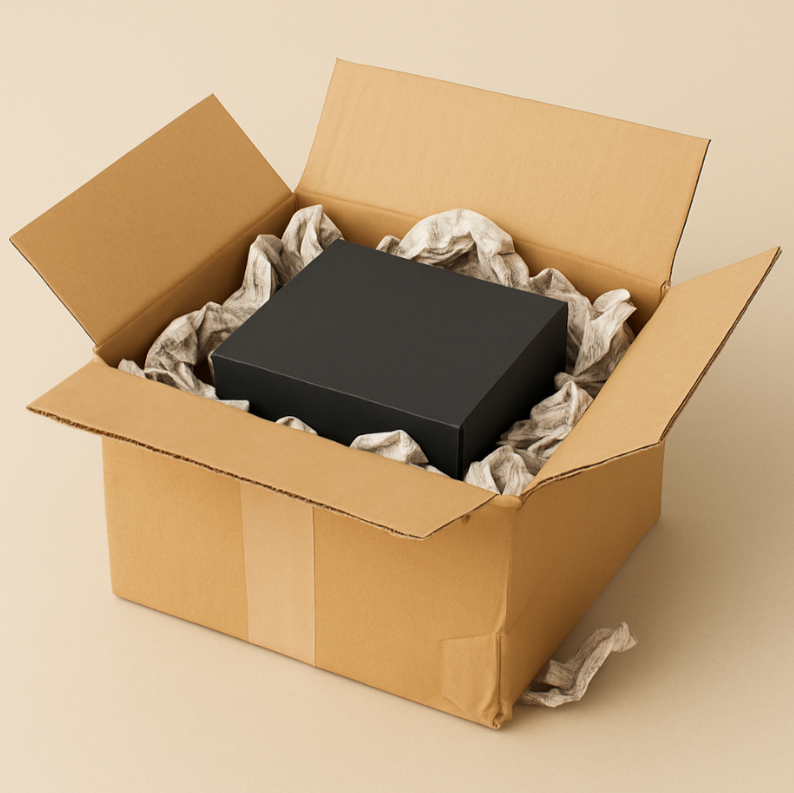
Step 2: Securing the contents inside the package
Well-chosen packaging is only half the battle. It is also crucial to secure the centre properly. The product should not be allowed to move during transport. Recommendations:
- Wrap the product in bubble wrap or cushioning foam,
- Fill empty spaces with kraft paper, air cushions, polystyrene chips or cardboard dividers,
- if there is more than one product in the package - separate them by compartments or separate packaging.

Step 3: Sealing the package correctly
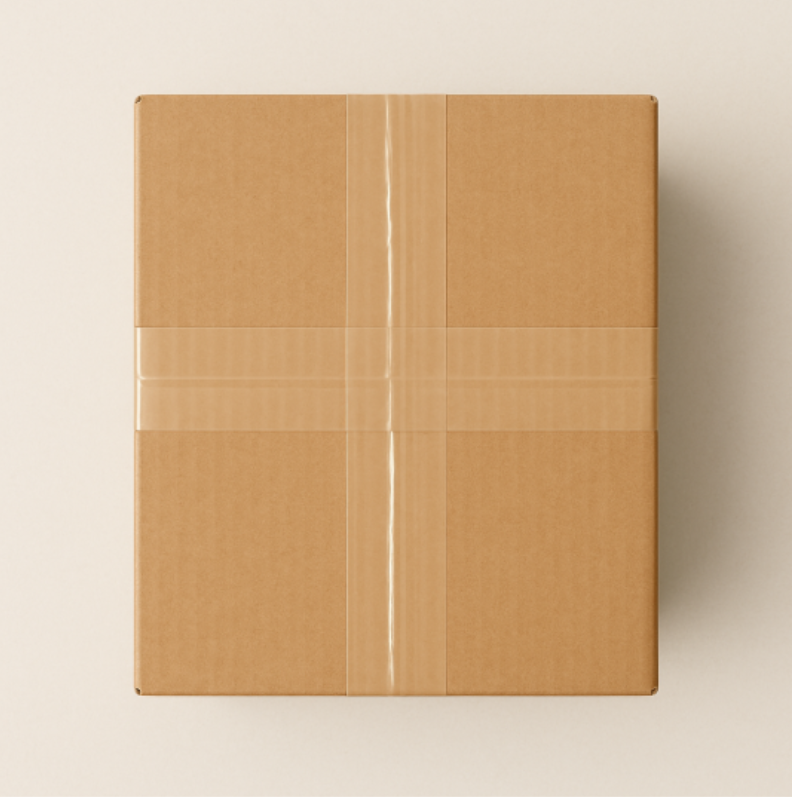
Use a sturdy packing tape at least 48 mm wide for sealing. For heavier shipments, consider using fibre-reinforced tape or additional strapping. Don't use office tape or tape that is too narrow - it doesn't do the job. Use the tried and tested „H” method:
- one tape along the carton joint,
- two tapes crosswise around the edges of the cardboard box,
- identical sealing of both the top and bottom of the package.
Step 4: Labelling the package
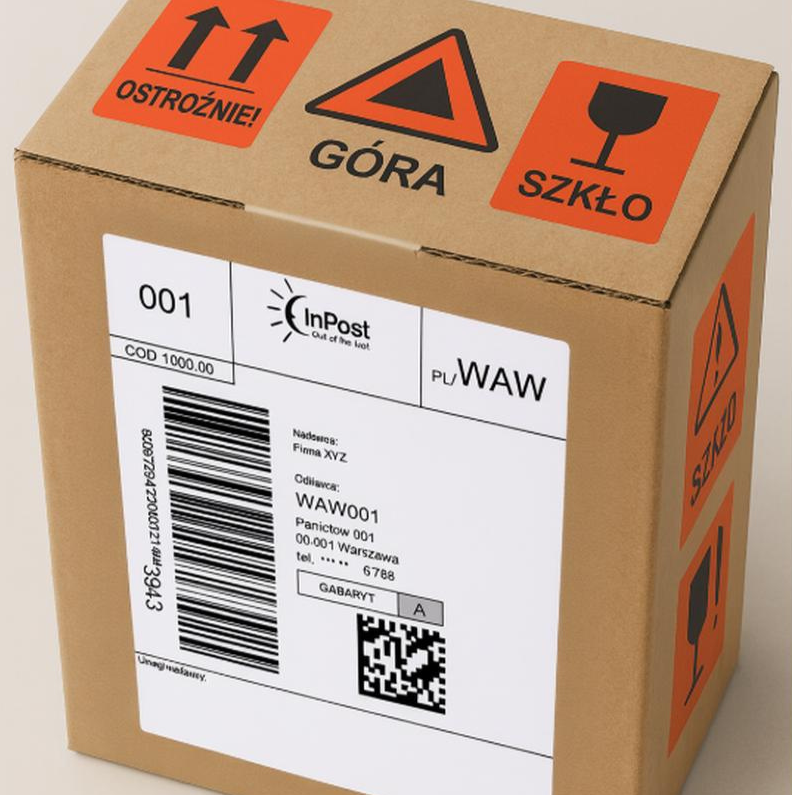
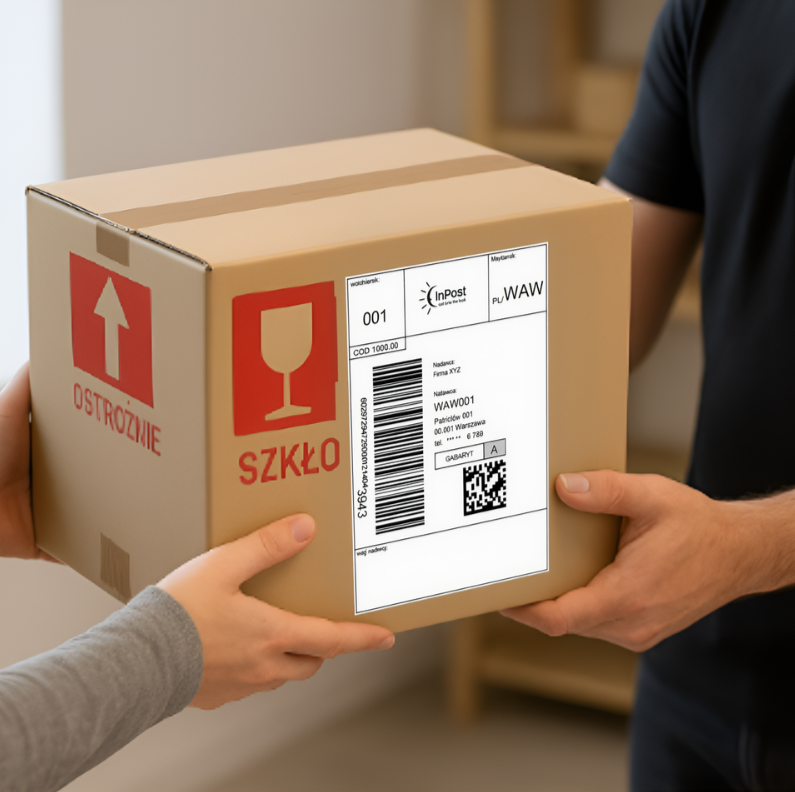
The address label should be legible and placed in a prominent position. Additional markings such as „carefully”, „glass”, „top” are recommended for delicate or demanding products. Guidelines:
- place the label on the longest side of the consignment,
- do not seal the label with tape - this may make it impossible to read at the sorting office,
- do not place the label in an area that may fold or open.
Step 5: Final inspection before dispatch
If you have any doubts - it is better to improve the packaging than to handle a complaint later. Before the package goes to the courier, check it for:
- the aesthetics and robustness of the closure,
- the correct placement and adhesion of the label,
- no sound of moving goods when the package is shaken.
The most common mistakes to avoid
- use of too thin or inappropriate adhesive tape,
- no protection on the underside of the carton,
- lack of filler when packing too much,
- affixing the label to wall bends or joints,
- use of old, damaged recycled cardboard boxes.

Packaging as part of the brand image
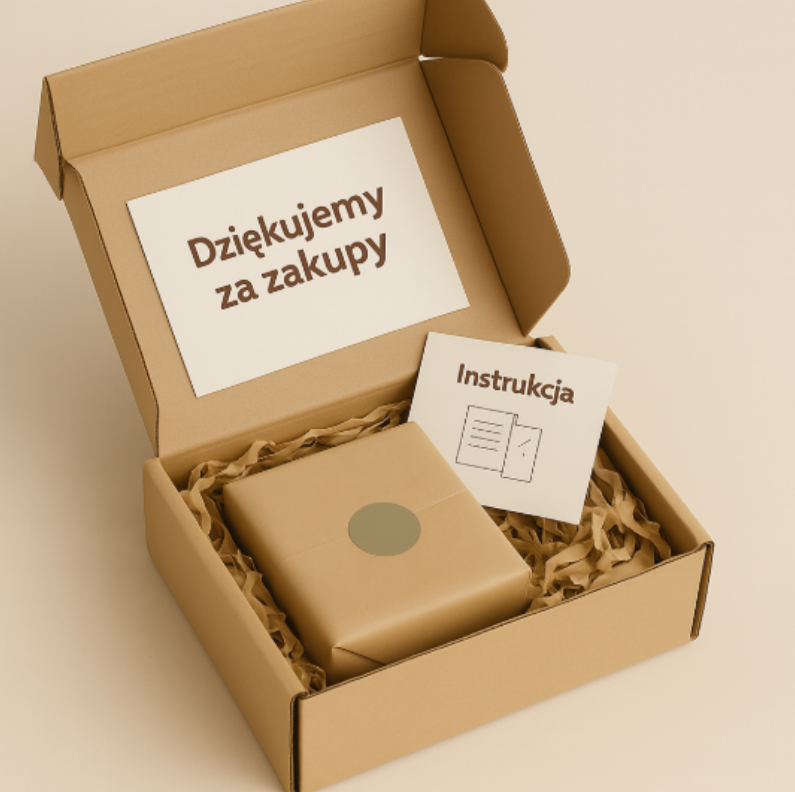
A well-packaged parcel can be the start of a customer relationship - not just the end of a transaction. A customer who receives a carefully packaged product is more likely to return and recommend your shop to others. Worth considering:
- enclosing a card to thank you for your purchase,
- simple instructions for use or assembly,
- discount code for your next order,
- aesthetically pleasing or environmentally friendly packaging linked to the brand's visual identity.
Summary
The way you package directly affects costs, customer satisfaction and brand reputation. It's not just an operational task - it's a tool for building loyalty. Take as much care of this stage as you would an in-store offer. Because even the best-selling product can be misremembered - if it arrives in poor condition. Good packaging reduces complaints and returns, improves logistics and increases the chance of repeat purchases.
Author: Kacper Pawlak
Date of publication: 10.07.2025r.
 Polish
 English
 German
 Czech
 Hungarian
 Slovak
